
Designing for the Senses*
Making Commercial Spaces Memorable Through the Five Senses
The most successful commercial environments are not just seen — they are felt. People experience spaces through all five senses, and those sensory cues shape comfort, behavior, emotional response, and brand perception.
This is the foundation of atmospheric design: intentionally engaging sight, sound, smell, touch, and environmental influences on taste to create spaces that resonate.
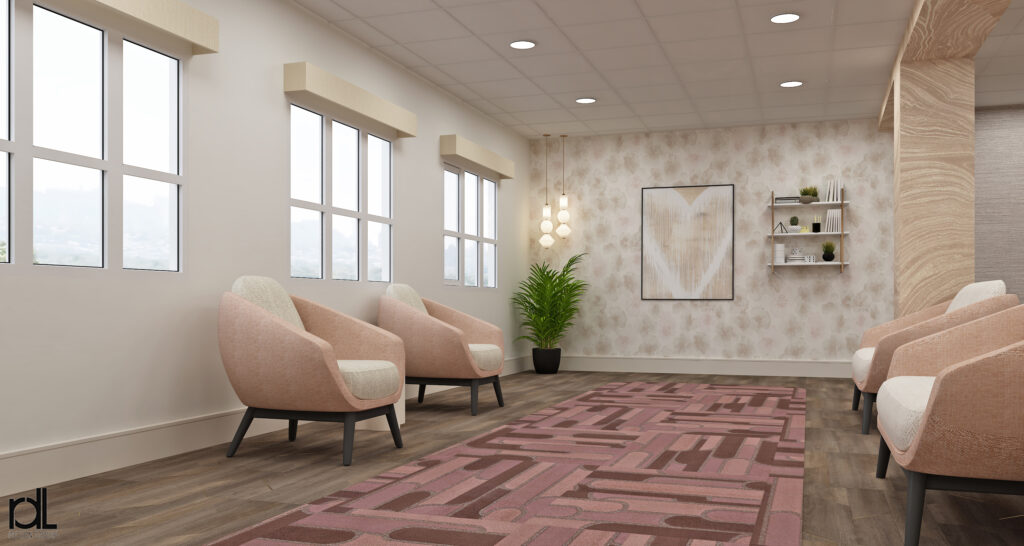
Sight: Setting Expectations
Layered lighting is critical:
- Task lighting supports function and safety.
- Accent lighting highlights brand elements and features.
- Ambient lighting sets emotional tone.
Color and art guide mood, appetite, and perception of space.
Still, sight is only one layer of the experience.
Sound: Comfort, Privacy, Performance
Hard surfaces like tile, glass, and stone increase reverberation. Designers use rugs, upholstery, drapery, and acoustic wall treatments to manage sound.
Restaurants use music to influence pace. Retail uses it to shape energy. Offices and healthcare spaces rely on white noise for privacy. Hotels depend on acoustic calm for rest.
Good design doesn’t just look calm — it sounds calm.
Touch: Materiality and Human Connection
Texture from textiles, wallcoverings, wood grains, and dimensional tile softens spaces and makes them feel approachable rather than institutional.
Tactile layers create comfort and perceived quality, while attention to details such as curved walls and rounded surface edges add softness for a relaxed and intentional safe space.
Smell: Emotional and Brand Memory
Scent and air quality influence emotional response and brand identity. Ventilation is as important as fragrance strategy.
When scent works with visuals, texture, and sound, the environment becomes immersive rather than purely functional. For instance, a boutique spa will exude relaxed scents, while a retail shop may opt for fresh, clean notes, and a fitness center will benefit from invigorating aromas.
Taste and Environmental Influence
In hospitality settings, lighting warmth, color palette, material choices, and spatial openness influence appetite, flavor perception, and overall dining experience. The physical environment shapes how food and beverages are perceived and remembered.
Sensory Balance and Inclusivity
Overstimulation can cause stress or confusion, especially in healthcare and senior environments. Sensory balance supports comfort, clarity, and accessibility.
This is Why Designers Are Critical
Sensory design impacts wellness, behavior, brand perception, and customer experience. It requires technical knowledge, behavioral insight, and coordination across lighting, materials, acoustics, and spatial planning.
Great commercial design doesn’t just meet functional needs — it shapes how people feel, interact, and remember the space long after they leave.
We bring this knowledge and foresight to each of our projects and we’d love to discuss how we can help you design for the senses. Visit our Contact page to submit your inquiry and we’ll set up a consultation to get started.